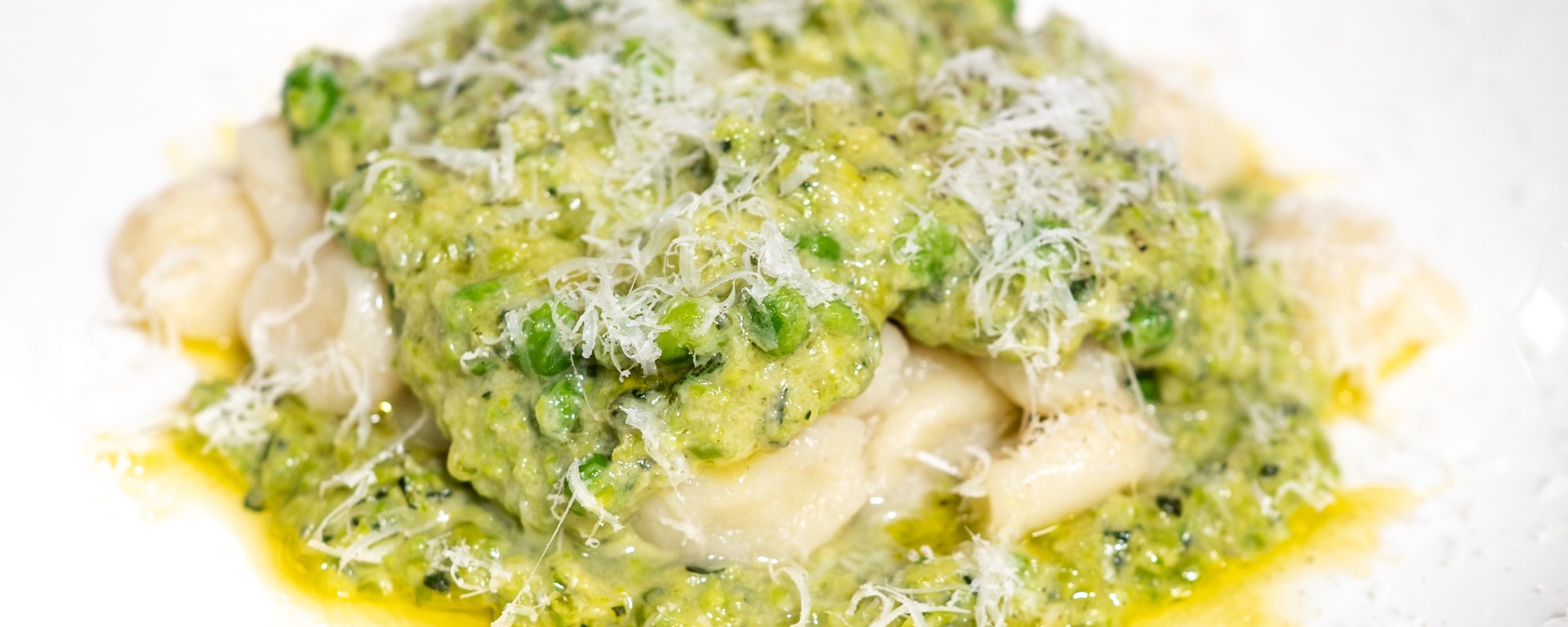
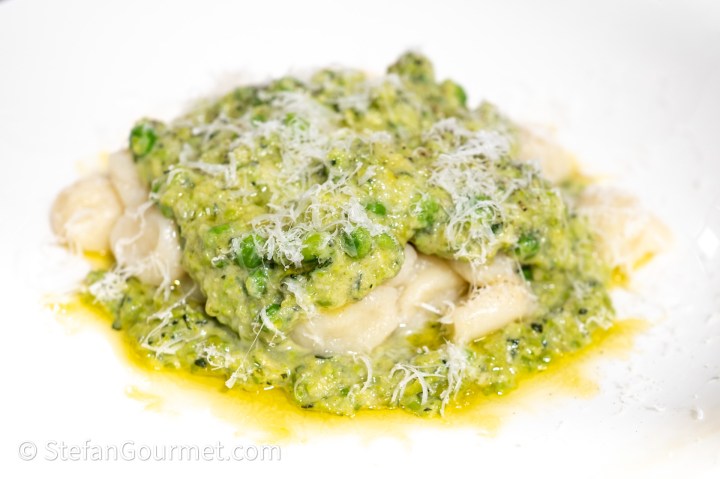
Garden peas are an intriguing seasonal ingredient. They are at their best when they are still small, tender, and sweet, but this window lasts only a day or two. When they are left to mature on the vine, the sugars naturally convert into starch, making them larger, mealier, and less sweet. Like all vegetables, peas start this conversion almost immediately after being picked. In fact, they can lose up to 40% of their sugar within just a few hours if not chilled immediately. The best garden peas are harvested at their peak, refrigerated immediately, and eaten the same day. Unless you grow your own or buy them directly from a farm, that is hard to attain. The “fresh” garden peas available in markets have usually been picked several days ago. They are also often left to grow bigger before harvesting, because the extra weight yields more money for the farmer. Garden peas freeze incredibly well, and that is the intriguing part: in most cases, frozen garden peas are vastly superior to fresh. They are harvested at peak perfection, then blanched and flash-frozen within hours, locking in their sweetness. When buying frozen, you can specifically choose the smallest size and simply pay a bit more for the premium quality. So although I am posting this recipe now because garden peas are in season in the Northern Hemisphere, you can make it any time of the year using frozen peas. Which is, in fact, exactly what I have done here.
Making potato gnocchi from scratch is a bit of work, but it is worth it. This will get you velvety pillows of potato goodness rather than the starchy and rubbery store-bought variety. The key to this is to limit the amount of moisture as much as possible. The more moisture in the potatoes, the more flour you will need to form a cohesive dough. More flour means heavier, doughy, rubbery gnocchi that taste like flour rather than potato. Therefore, you should use only starchy potatoes, because they contain less water. You should also avoid using an egg for binding, as some recipes will tell you to do. If you worry they will not hold together, bring some water to a boil, form one gnoccho from your dough, and drop it in. If it does not disintegrate, you are good to go.
When cooking the potatoes, you should use a method that keeps them as dry as possible. You could bake them in the oven with the skin on and pierced a few times with a knife or fork, cook them sous vide for 1.5 hours at 85°C/185°F, or steam them. If you just boil them, return them to the pot over low heat after draining to let them dry a bit before continuing.
It is crucial to rice the potatoes when they are still hot. When potatoes are hot, the starch granules are relaxed and pliable. This allows you to rice them before the starches crystallize and become rigid, which would lead to sticky, gluey potatoes and heavy, gummy gnocchi. Working with warm potatoes also facilitates the evaporation of excess moisture. Finally, to accentuate the potato flavor, it is important to add a bit of salt to the dough.
This dish of potato gnocchi with garden peas, zucchini, and ricotta is the essence of spring on a plate. The purpose of the mint and basil his to accentuate the delicate sweetness of the peas and zucchini rather than overpower them, so a light touch is all you need. Leaving some of the peas whole provides a vibrant, crunchy contrast to the velvety softness of the homemade gnocchi.
Ingredients
Serves 4 as a primo piatto
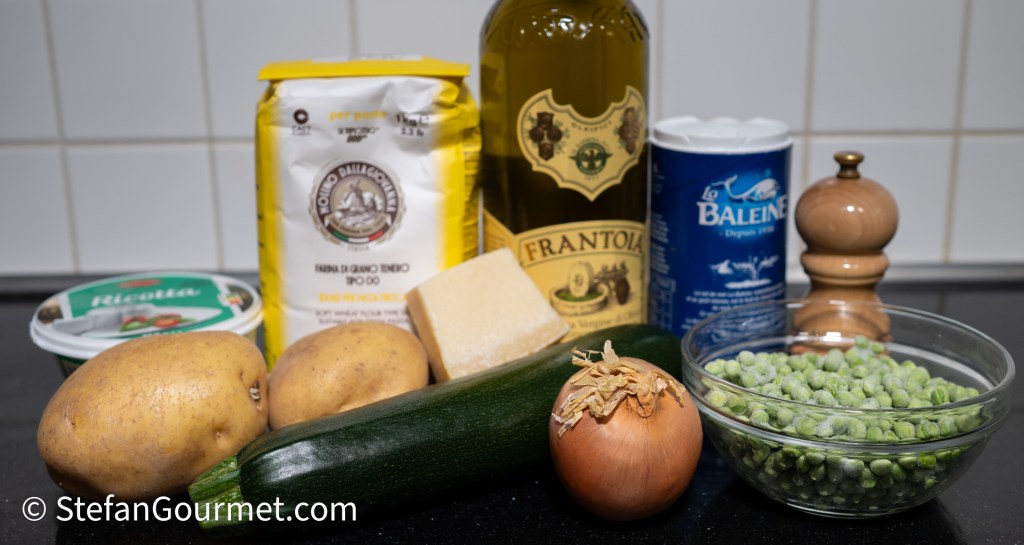
- 400 grams starchy potatoes, peeled and diced (weight before peeling)
- 100 grams Italian 00 flour
- 200 grams small garden peas, fresh or frozen, divided
- 300 grams zucchini, chopped
- 120 grams onion, chopped
- 250 ml (1 cup) homemade vegetable stock
- 80 grams (1/3 cup) ricotta
- 80 ml (1/3 cup) dry white wine
- 30 grams freshly grated parmigiano reggiano, plus more for garnish
- 1 Tbsp fresh basil leaves, thinly sliced (3 grams)
- 1/2 Tbsp fresh mint leaves, minced (1.5 grams)
- salt and freshly ground black pepper
- extra virgin olive oil
Instructions
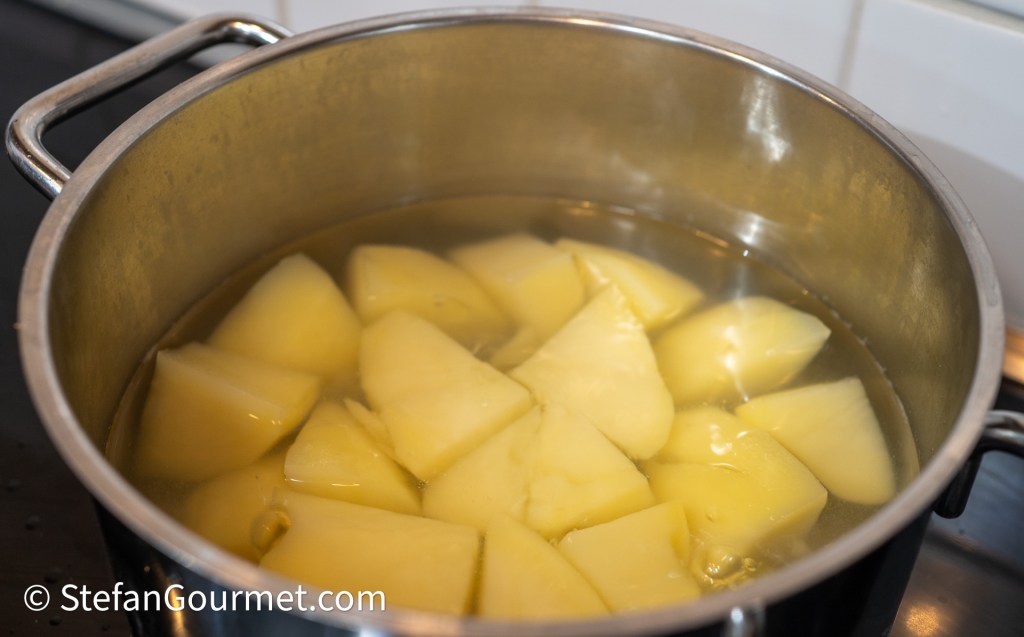
Boil, steam, bake, or sous vide 400 grams of potatoes.
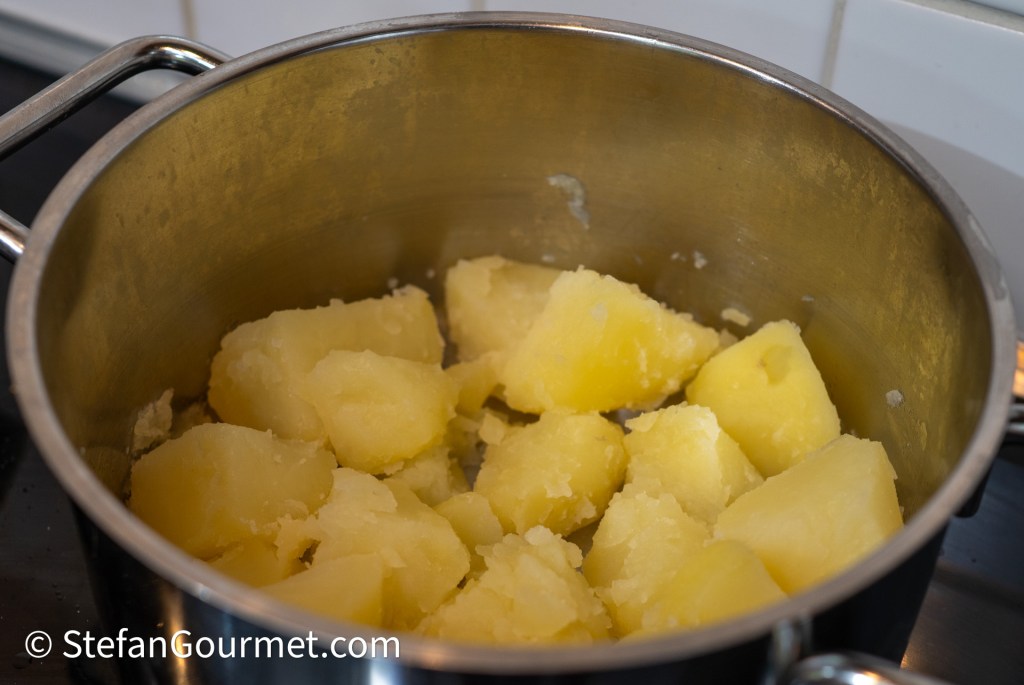
When you boil them like I did, return them to the pot over low heat after draining to allow them to dry before continuing.
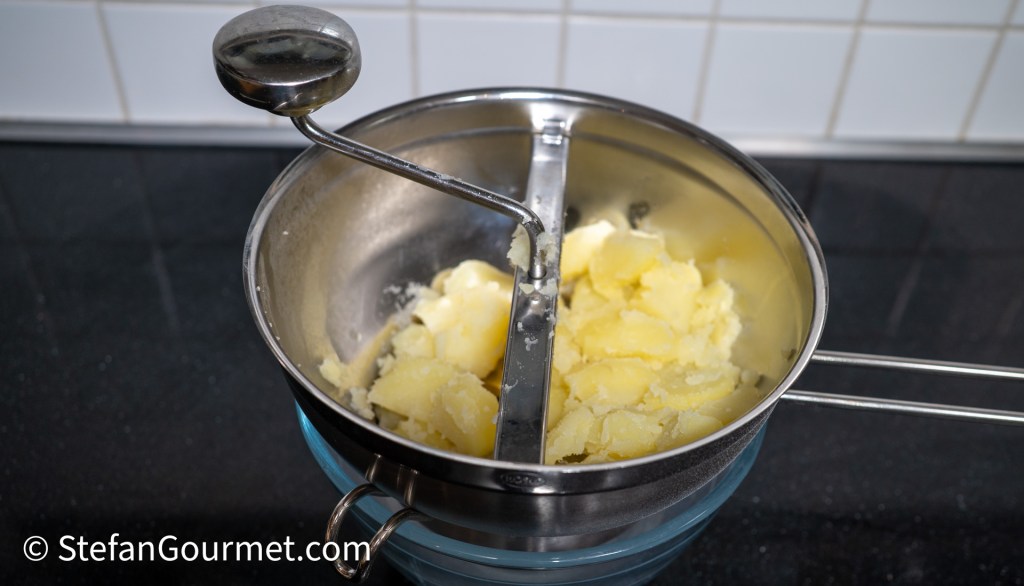
Rice the potatoes while they are still hot using a foodmill or potato ricer.
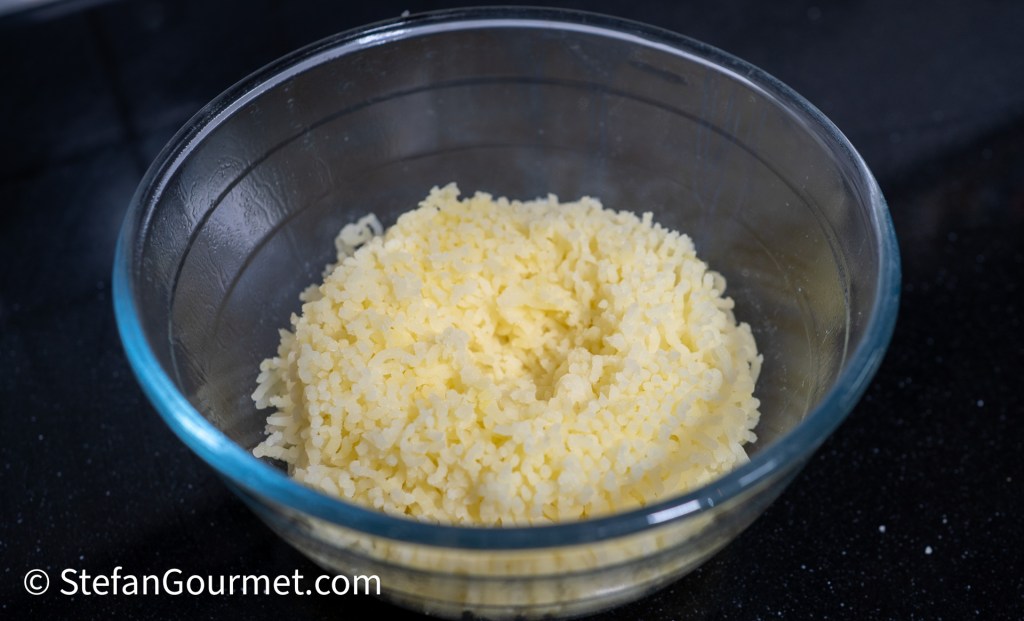
Season the riced potatoes with 1/2 teaspoon fine salt.
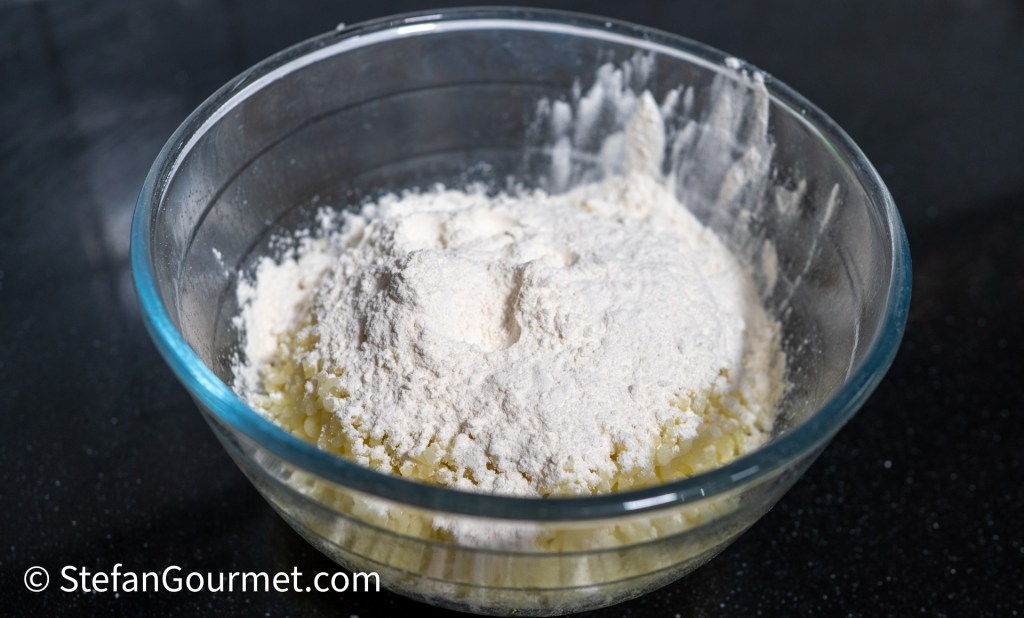
Add 100 grams of Italian 00 flour.
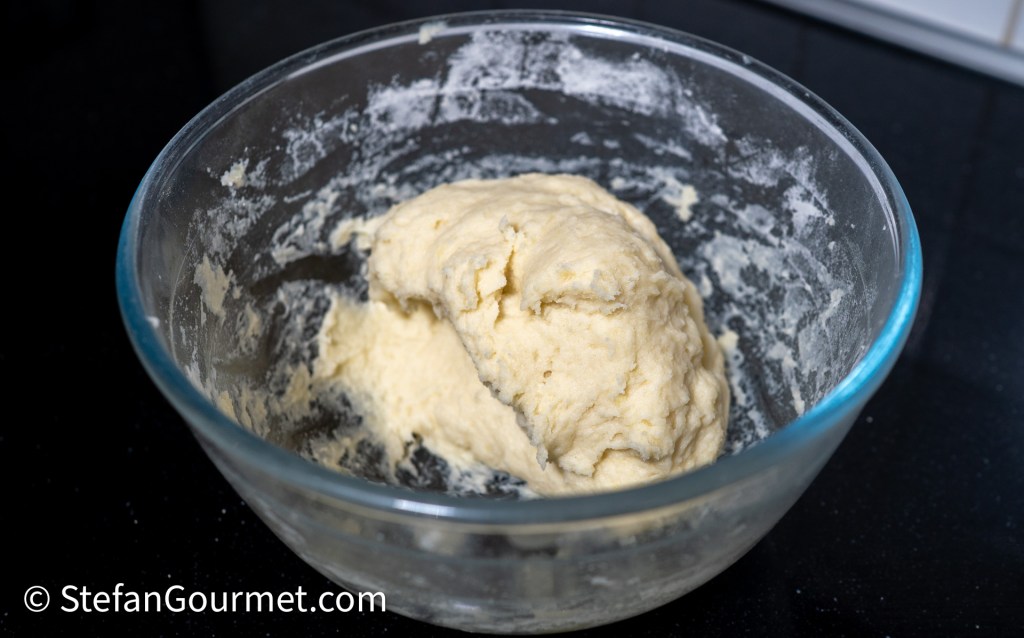
Knead the potatoes with the flour into a cohesive dough. It should be smooth and only slightly sticky. Add a touch more flour if it is truly too sticky to handle, but be mindful that this usually indicates the potatoes were too watery, either by themselves or due to the cooking method.
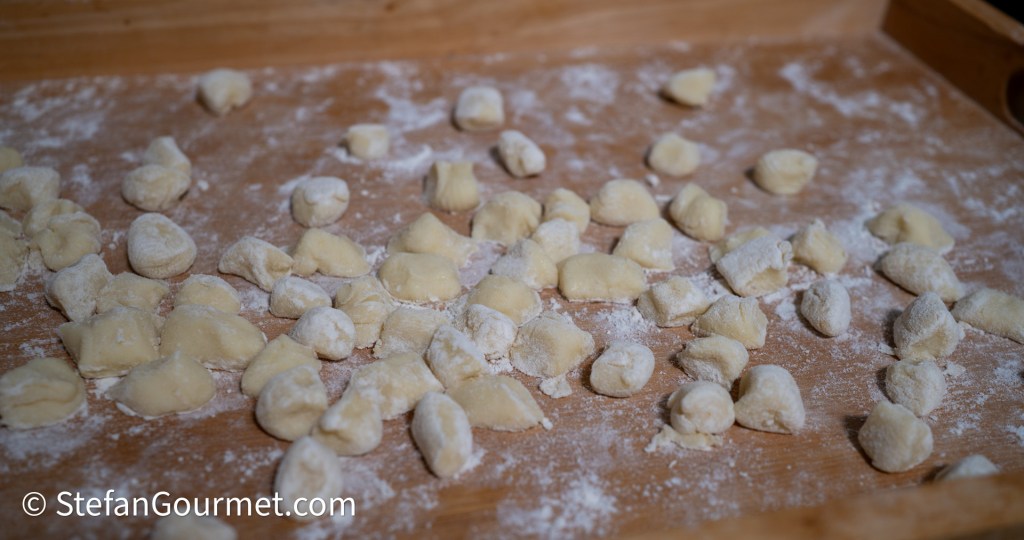
Take a piece of dough and roll it into a cylinder about as thick as your finger on a wooden work surface dusted with flour. Use a dough scraper or a knife to cut it into individual gnocchi. As they are shaped, arrange the gnocchi on a tray, ensuring both the tray and the gnocchi are lightly dusted with flour to prevent them from sticking to each other or to the surface. Repeat this process until you have used up all of the dough. For best results, make the gnocchi right before you are going to boil them, because leaving them out will make them more sticky. If you have to make them more than a couple of hours in advance, your best bet is to freeze them on the tray (they can be cooked straight from the freezer).
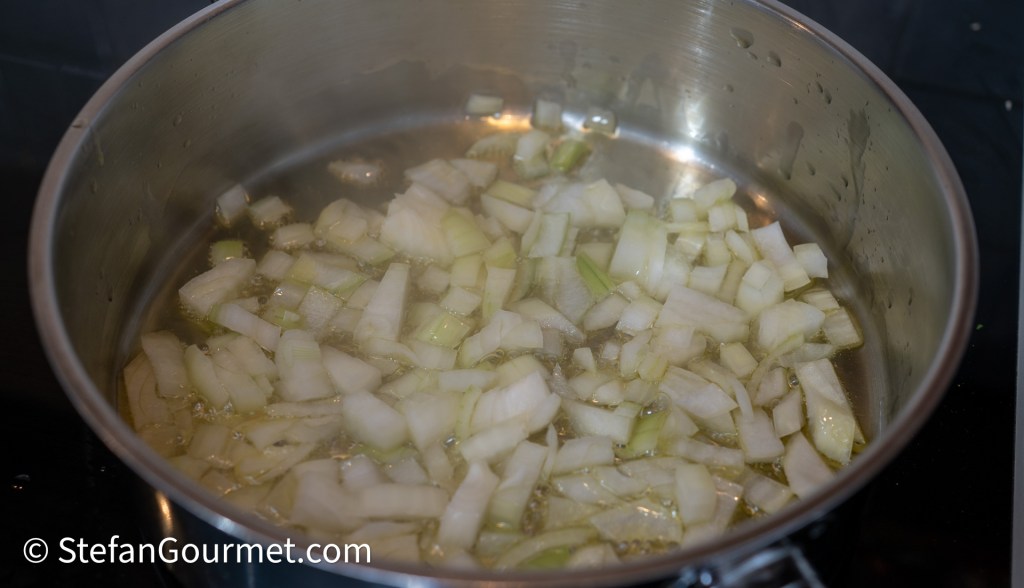
Make the sauce while you are boiling the potatoes. Heat 2 tablespoons of olive oil in a frying pan and add 120 grams of chopped onion.
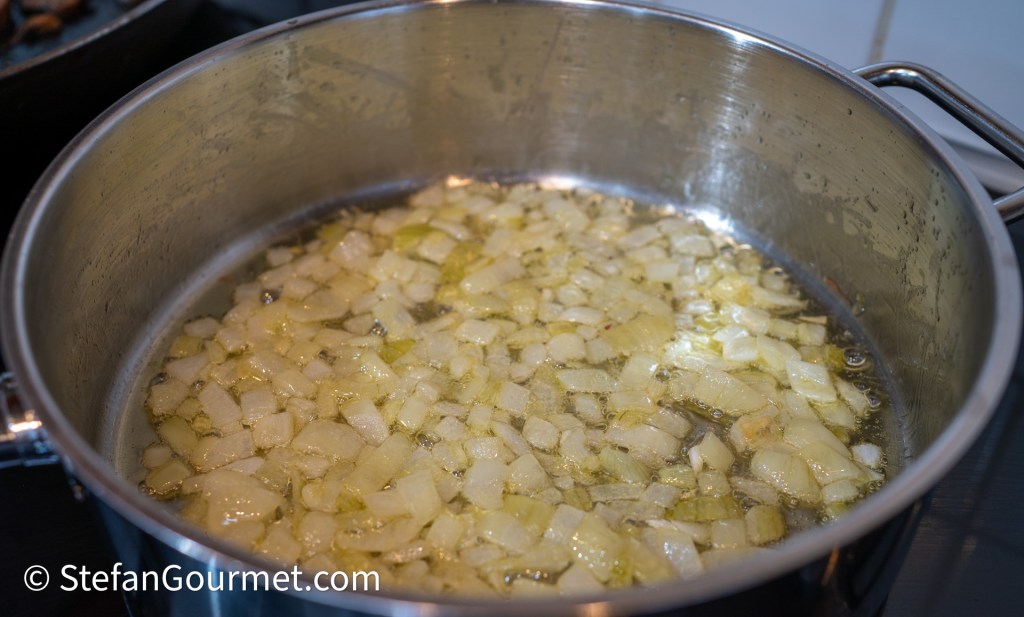
Season with salt and stir the onion over medium heat for about 5 minutes.
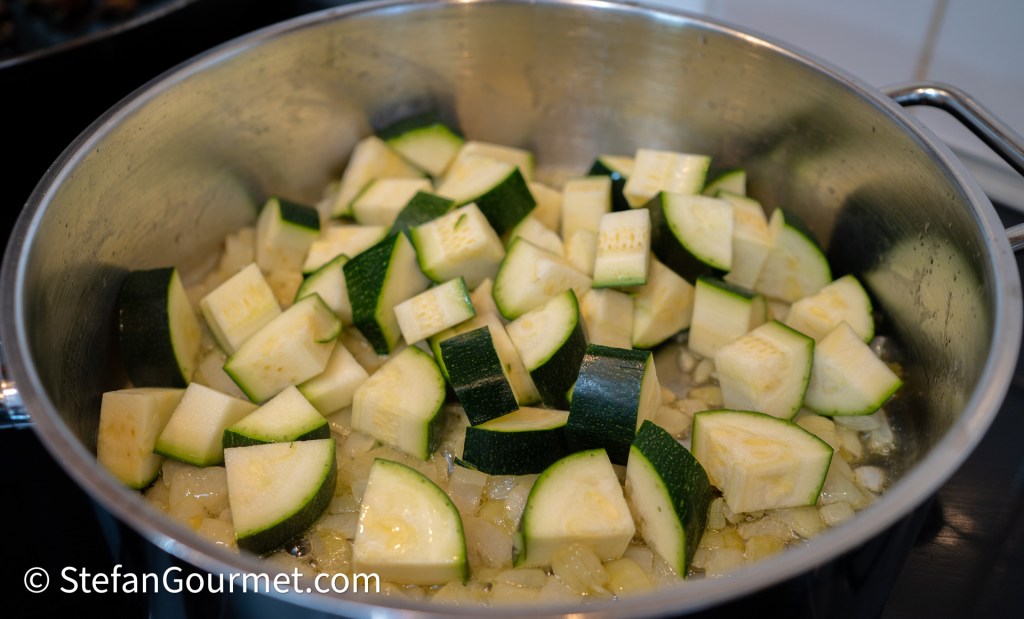
Then add 300 grams of chopped zucchini and stir until the zucchini starts to get a bit of color.
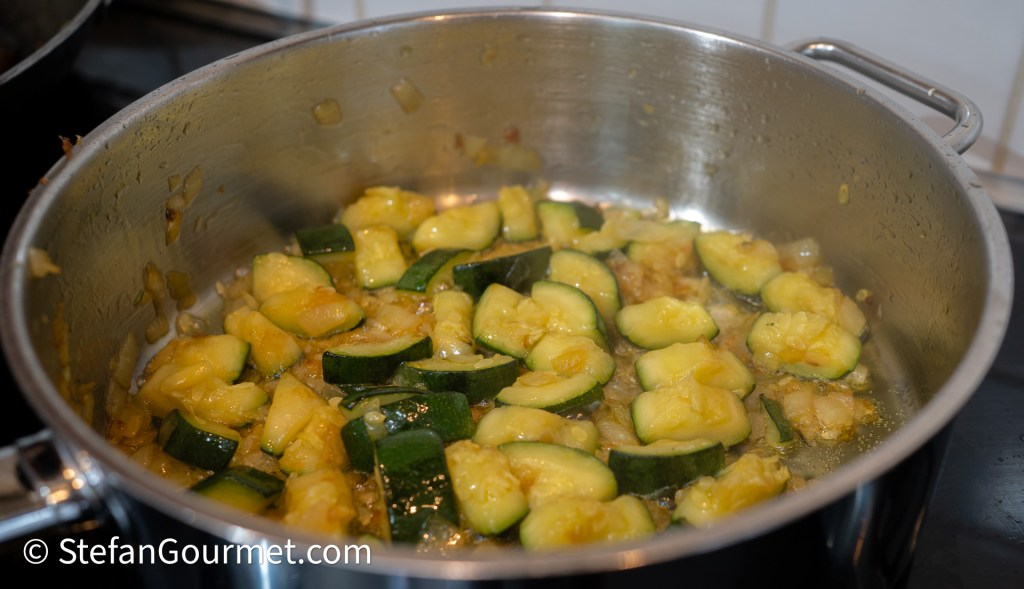
As soon as that happens, deglaze the pan with 80 ml of dry white wine, and stir until it has been reduced by half and the sharp smell of alcohol is gone.
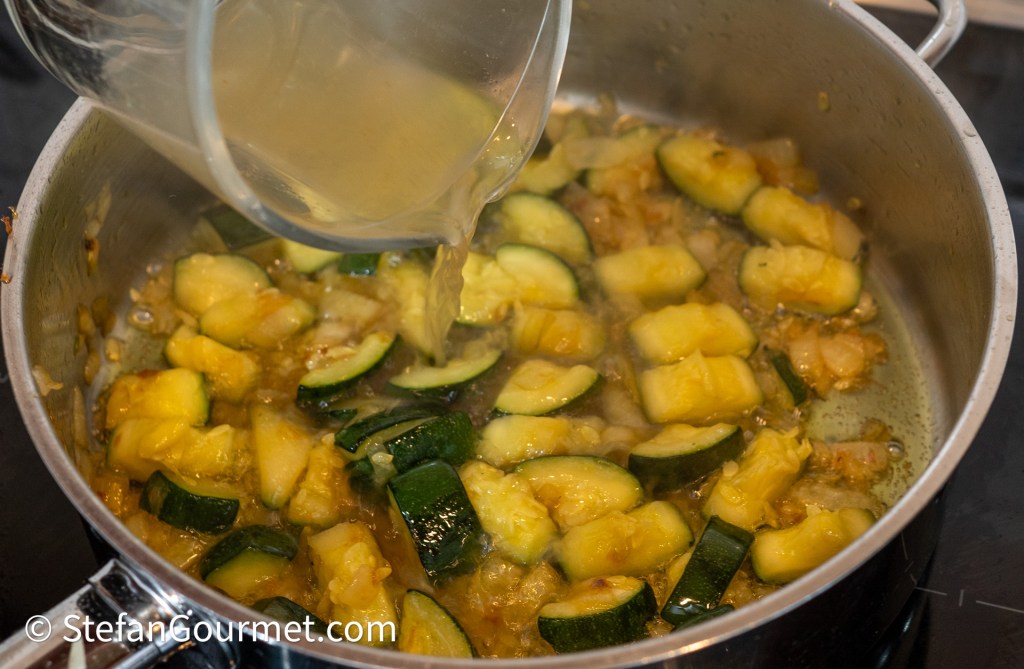
Then add 250 ml vegetable stock and 150 grams of peas, reserving the remaining 50 grams of peas.
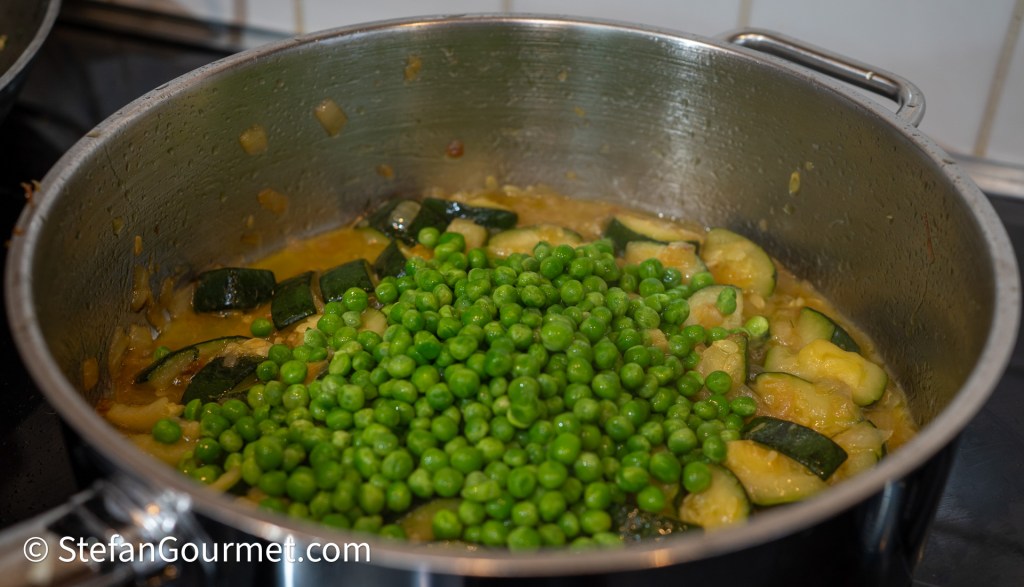
Bring to a boil and then lower the heat to a simmer. Simmer until most but not all of the liquid has evaporated.
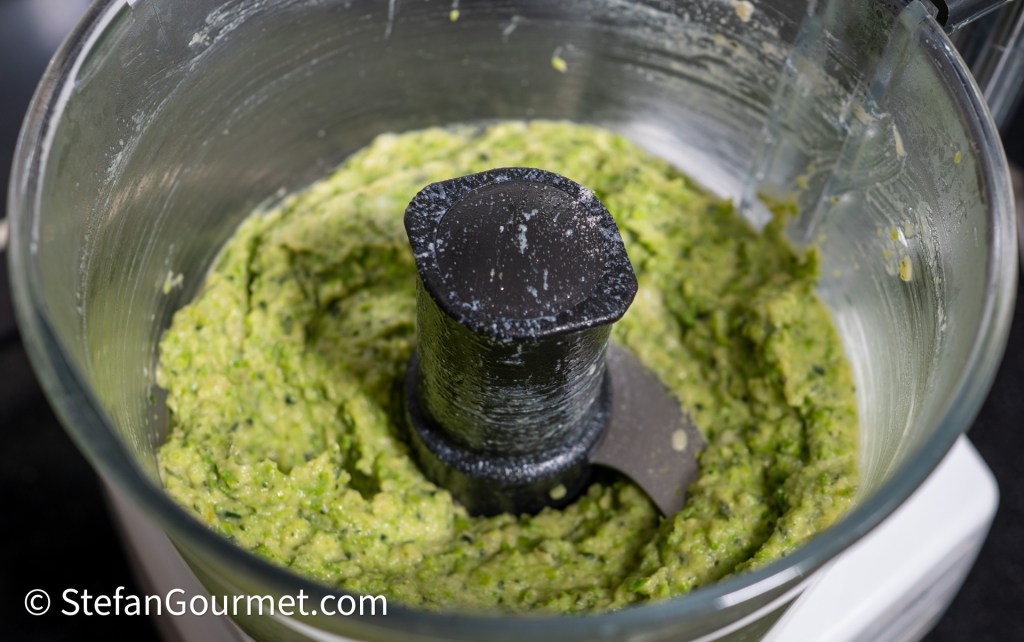
Transfer the contents of the pan to a blender and add 80 grams of ricotta and 30 grams of freshly grated parmigiano reggiano. Blend into a uniform puree with some texture to it; it should not be completely smooth. Taste and adjust the seasoning with salt and freshly ground black pepper, then return the puree to the pan.
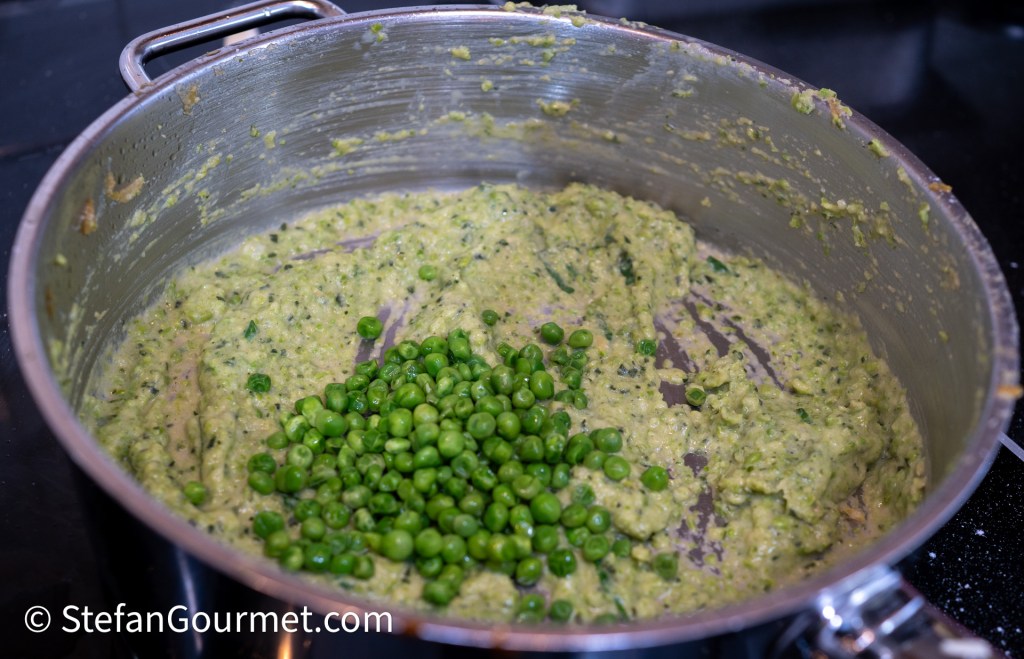
When you are ready to serve, reheat the sauce and add the remaining 50 grams of peas. If the peas are frozen, they have already been blanched and will not require any additional cooking. If using fresh peas, cook them in the sauce until just tender.
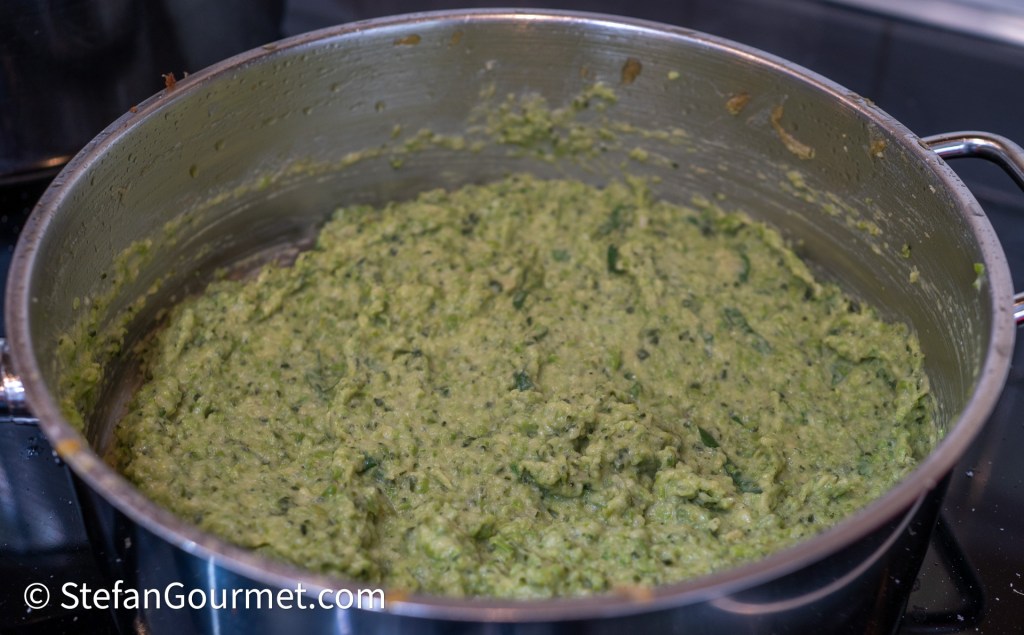
Stir in 1 tablespoon of thinly sliced basil leaves and 1/2 tablespoon of minced mint leaves right before serving, to preserve their bright flavor.
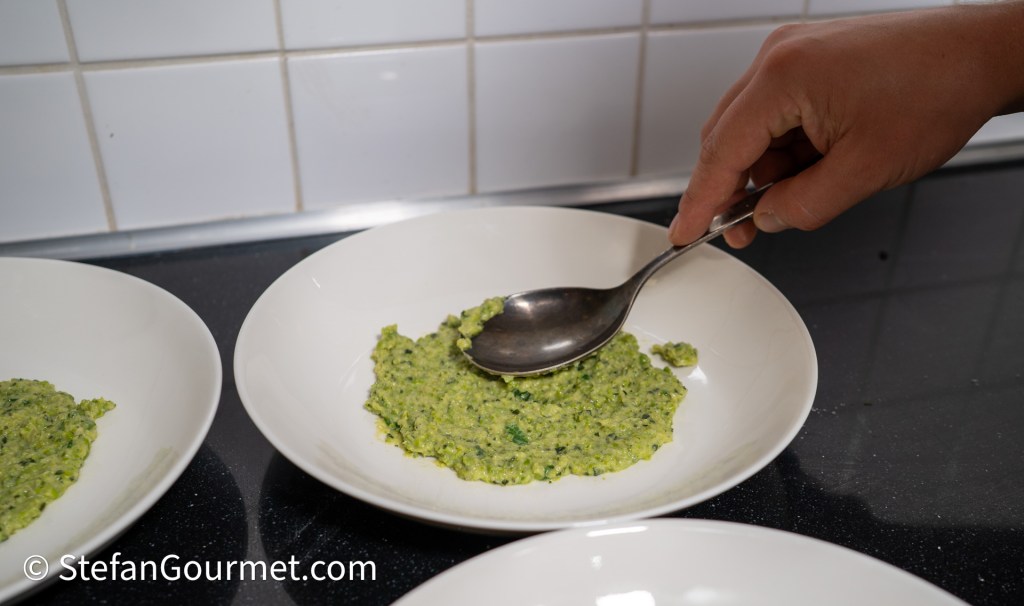
Bring a large pot of salted water to a boil and add the gnocchi in batches. When the first batch is about to float to the surface, quickly spread about half of the warm sauce onto preheated plates.
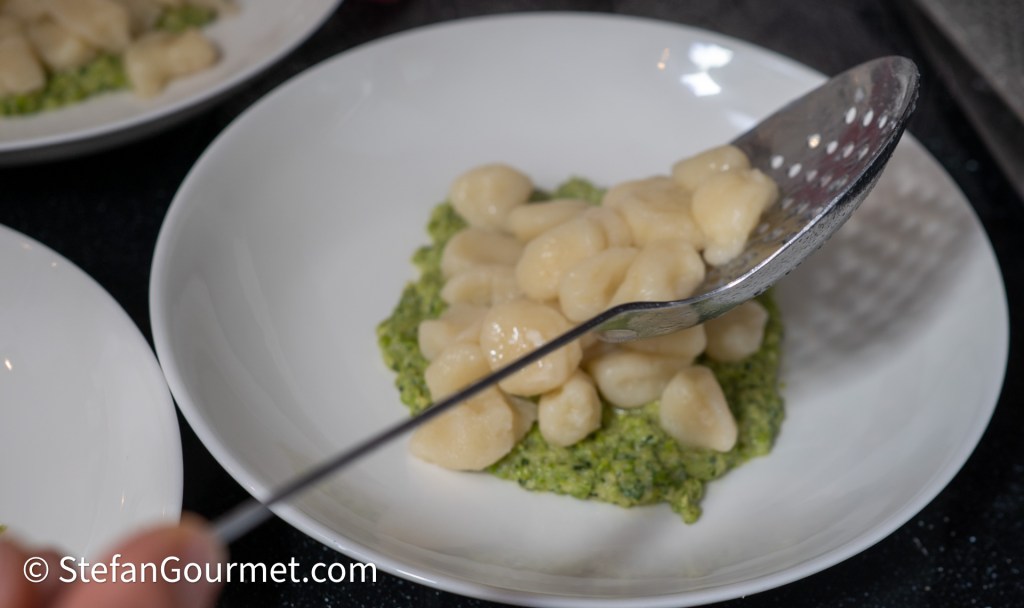
Scoop the gnocchi out with a strainer as soon as they float, and place them directly on top of the sauce. Place the cooked gnocchi directly on top of the prepared sauce on the plates. Repeat this process until all of the gnocchi are boiled and transferred.
Spoon the remaining sauce on top of the gnocchi. Garnish with a drizzle of very good extra virgin olive oil and a sprinkling of freshly grated parmigiano reggiano. Serve at once.
Wine pairing
This is very nice with an aromatic dry medium-bodied white such as a Vermentino or Sauvignon Blanc.


Looks delightful! It’s a good thing peas are one vegetable that actually freezes quite well!
LikeLike
Stefan – quite a ‘food lesson’ for me as I did not know about the peas or the potatoes! Neither has been a favourite of mine – I love peapods stir-fried – c’est tout, so to speak! The dish looks very appetizing so homework will definitely be done – thanks!
LikeLiked by 1 person
My time saving hack for potato gnocchi: Prick large potatoes allover with a fork to allow steam to escape and microwave until soft. Reduces water absorption compared to boiling peeled potatoes too. Cut in half and press cut side down through a ricer. Remove the spent peel by scraping with a fork.
LikeLike
Ottima l’idea di condirli con una crema di piselli e zucchini: perfetti per l’estate! Grazie sempre per la passione per la cucina italiana
LikeLiked by 1 person